An Introduction to Cold-Formed Steel Framing
Updated: May 17
When it comes to constructing durable, cost-effective, and sustainable buildings, cold-formed steel (CFS) framing has become a popular choice in both commercial and residential projects. This lightweight but incredibly strong material offers a range of benefits that make it an appealing alternative to traditional wood framing. Let’s explore why cold-formed steel framing is gaining traction in the construction industry.
What is Cold-Formed Steel Framing?
Cold-formed steel is produced by shaping thin steel sheets—usually less than 3/16 inch thick—at room temperature into structural sections. Unlike hot-rolled steel, which is processed at high temperatures, cold-formed steel framing results in a material that is lightweight, high-strength, and precise.

Key Benefits of Cold-Formed Steel Framing
1. Impressive Strength-to-Weight Ratio
Cold-formed steel is known for its high strength relative to its weight. This makes it an ideal choice for framing, as it can support significant loads without adding unnecessary bulk. Its strength ensures that the structure remains stable, even in seismic or high-wind areas.
2. Corrosion Resistance
One of the standout features of cold-formed steel is its ability to resist corrosion. Many cold-formed steel products come galvanized or treated with a protective coating, which makes them highly resistant to rust and other forms of corrosion. This quality is especially valuable for buildings located in coastal or humid environments where traditional materials might degrade faster.
3. Fire Resistance
Steel is naturally fire-resistant, which is a huge advantage for buildings framed with cold-formed steel. This resistance to fire significantly enhances the safety of a building, especially in areas where fire regulations are stringent. In fact, cold-formed steel buildings often exceed fire-safety standards, providing peace of mind for homeowners and businesses alike.
4. Sustainability
As global demand for sustainable construction practices rises, cold-formed steel shines as an eco-friendly choice. Steel is fully recyclable, and much of the steel used in cold-formed applications is made from recycled materials. Additionally, cold-formed steel structures are long-lasting, meaning fewer resources will be needed for repairs or replacements over time.
5. Precision and Quality Control
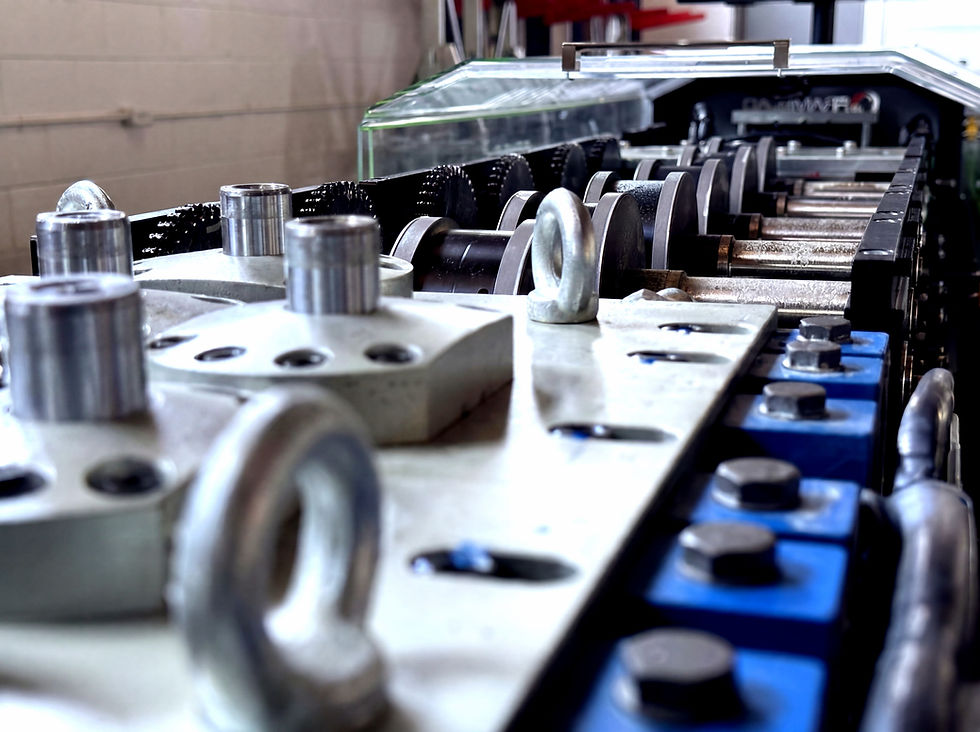
The manufacturing process of cold-formed steel involves advanced machinery, ensuring that each piece is produced with high precision and consistency. This makes CFS an excellent option for projects requiring a high degree of accuracy. With factory-made components, the risk of on-site errors is minimized, which can lead to cost savings and quicker build times.
6. Design Flexibility
Cold-formed steel’s versatility allows for a wide range of structural designs, making it ideal for both simple and complex architectural needs. The material can be shaped into almost any form, offering architects and engineers more freedom to explore creative and innovative building designs. Whether you’re building a modern home, a commercial space, or a multi-family structure, CFS can accommodate diverse design requirements.
7. Energy Efficiency
Because cold-formed steel framing enables the integration of continuous insulation without compromising structural integrity, buildings framed with CFS tend to have higher energy efficiency. This not only helps reduce energy consumption but also leads to long-term cost savings on heating and cooling.
Where Is Cold-Formed Steel Framing Used?
Cold-formed steel framing is widely used in various types of construction projects:
Residential Buildings:
Especially in multi-family homes, townhouses, and high-rise apartments.
Commercial Buildings:
Perfect for office buildings, schools, hospitals, and retail spaces.
Light-Gauge Structures:
Frequently used in non-load-bearing elements such as partition walls, ceilings, and interior framing.
Challenges of Cold-Formed Steel Framing
While cold-formed steel framing has a lot of advantages, there are some challenges that should be considered:
Connection Detailing:
Properly designing connections is essential to ensure the overall stability of the structure. Fasteners, welds, and screws used in cold-formed steel framing need to be carefully engineered to avoid failure, particularly in regions with high seismic activity or strong winds.
Cost:
While cold-formed steel itself is relatively affordable, additional costs might come from the need for specialized tools, equipment, and skilled labor. These factors can increase the overall cost of construction compared to traditional wood framing. But using new technologies can make CFS more and more competitive these days.
Conclusion
Cold-formed steel framing is quickly becoming a go-to solution in modern construction for its durability, versatility, and sustainability. Its ability to resist fire and corrosion, combined with its high strength-to-weight ratio and precise manufacturing process, makes it an excellent choice for both residential and commercial projects. With increasing concerns over sustainability and energy efficiency, CFS offers a forward-thinking approach to building construction.
Whether you’re planning to build a new home, a commercial space, or anything in between, consider cold-formed steel framing as a reliable, eco-friendly, and cost-effective option. Its many benefits ensure that it’s here to stay as a key player in the construction industry for years to come.