Steel-Framed Stud & Track vs. Panelized Steel Framing in Canada: Building Smarter with Modern Technology
Updated: Jul 8
Canada’s construction industry is evolving rapidly. With rising labor costs, tighter schedules, harsh weather conditions, and increasing demand for housing, builders are rethinking traditional framing methods. Two leading approaches in light-gauge steel construction are Steel-Framed Stud & Track and Panelized Steel Framing.
While both systems use cold-formed steel, modern manufacturing technologies are reshaping the cost and efficiency equation—especially for panelized solutions.
Here’s what Canadian builders, developers, and contractors need to know.
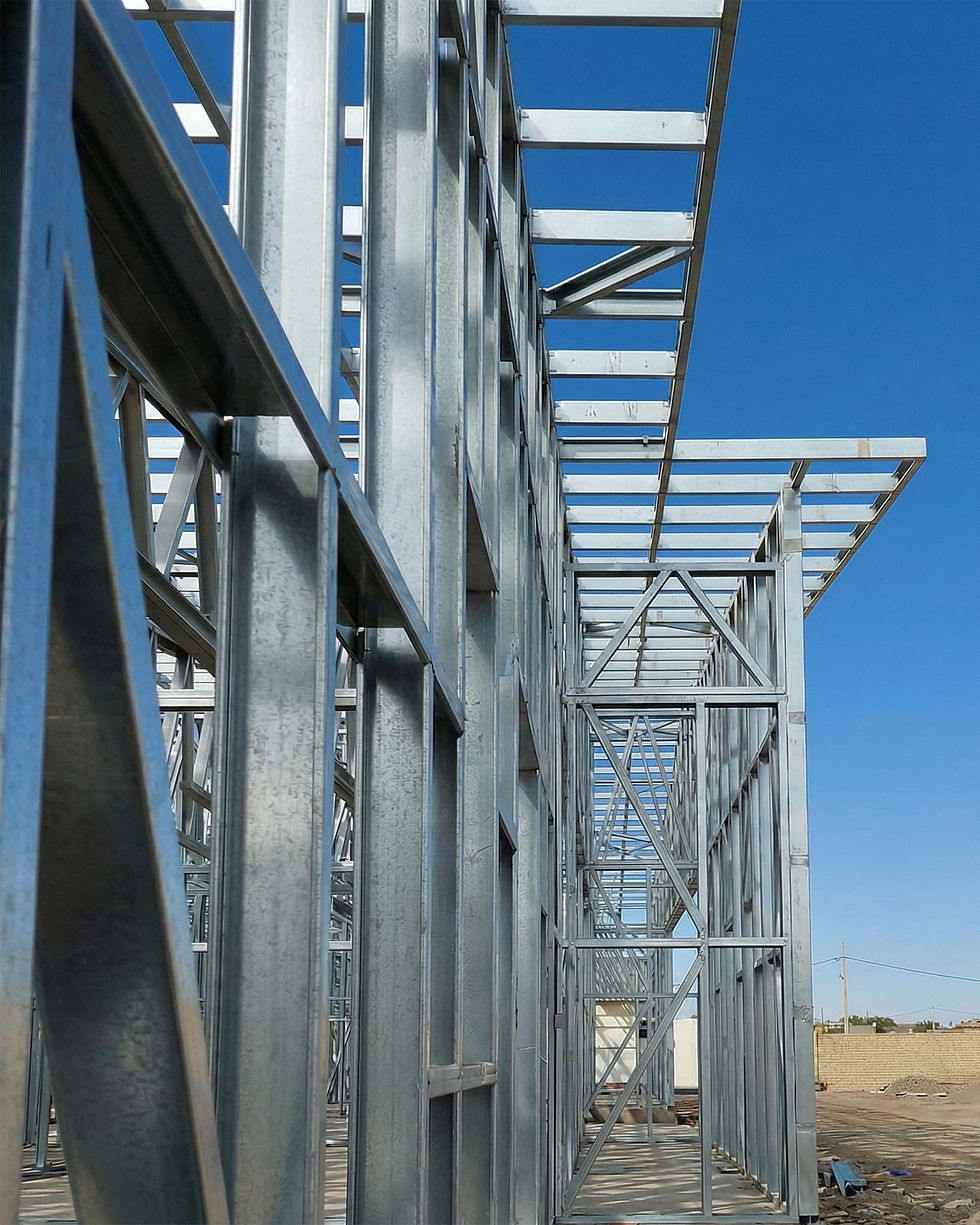
Understanding Steel-Framed Stud & Track
Steel Stud & Track is the traditional method of cold-formed steel construction. Individual studs (vertical members) and tracks (horizontal members) are delivered to site and assembled piece by piece by framing crews.
This approach has long been used across Canada for:
Interior partitions
Mid-rise residential projects
Commercial tenant improvements
Institutional buildings
Why It Works in Canada
✔ Familiar to most framing crews
✔ Flexible when field adjustments are required
✔ Lower initial material costs
✔ Suitable for smaller or phased projects
Where It Can Struggle
✖ Labor-intensive in a tight labor market
✖ Weather delays during winter construction
✖ Inconsistent quality depending on field conditions
✖ Longer overall build times
In provinces where labor shortages are acute and winter productivity drops significantly, onsite assembly can become a scheduling risk.
What Is Panelized Steel Framing?
Panelized steel framing shifts much of the construction process offsite. Wall, floor, and roof panels are engineered digitally and manufactured in a controlled factory environment before being delivered to site for installation.
With advanced roll-forming and integrated design software—like systems developed by FRAMECAD—panel production has become more automated, precise, and cost-efficient than ever before.
The Big Shift: Reduced Upfront Investment
Traditionally, one of the main objections to panelized framing was higher upfront cost due to engineering, fabrication, and logistics. However, modern technologies are changing that by:
Automated roll-forming reduces manual labor in fabrication
Integrated CAD/BIM workflows minimize design errors
Material optimization software reduces waste
Scalable manufacturing lowers per-unit cost
Faster onsite assembly reduces financing and carrying costs
As a result, the upfront premium is narrowing—and in many Canadian markets, panelized framing is now cost-competitive when lifecycle costs are considered.
Head-to-Head Comparison for Canadian Projects
Category | Stud & Track | Panelized Steel Framing |
Assembly Location | Onsite | Offsite factory |
Construction Speed | Moderate | Significantly faster |
Weather Sensitivity | High | Lower (most work indoors) |
Labor Demand | High onsite labor | Reduced onsite labor |
Upfront Cost (2026 reality) | Lower material cost | Now increasingly competitive |
Schedule Predictability | Variable | High |
Quality Control | Field dependent | Factory controlled |
Material Waste | Moderate | Minimal |
Why Panelized Framing Makes Sense in Canada
1. Shorter Winter Exposure
Factory-built panels mean less time framing outdoors in snow, wind, or freezing temperatures.
2. Labor Efficiency
With skilled trades in short supply across provinces like Ontario, British Columbia, and Alberta, reducing onsite labor requirements is a major advantage.
3. Faster Housing Delivery
Canada’s housing supply pressures demand speed. Panelized systems compress timelines, allowing developers to bring units to market sooner.
4. Improved Cost Certainty
Factory precision and digital modeling reduce change orders and rework—improving budget predictability.
When Stud & Track Still Makes Sense
Despite advances in panelization, traditional Stud & Track remains practical for:
Small-scale projects
Complex designs requiring frequent onsite changes
Remote builds with limited delivery access
Renovations or retrofit projects
Flexibility remains its strongest advantage.
When Panelized Steel Framing Is the Strategic Choice
Panelized framing is particularly effective for:
Multi-unit residential developments
Mid-rise and modular construction
Projects on tight financing timelines
Developers prioritizing speed-to-market
Builds in regions with harsh winter conditions
With technology lowering fabrication costs and improving efficiency, panelized systems are no longer just a premium option—they are increasingly a competitive, forward-thinking solution.
The Canadian Construction Reality
The framing method you choose today must balance:
Labor availability
Climate conditions
Speed of delivery
Financing timelines
Long-term operational performance
Modern panelized steel framing addresses many of Canada’s most pressing construction challenges. At the same time, Stud & Track continues to provide flexibility where needed.
Final Thoughts
The conversation is no longer simply “traditional vs. prefab.”
It’s about efficiency vs. adaptability—and how technology is closing the cost gap.
For many Canadian projects, panelized steel framing now offers:
Comparable upfront costs
Faster schedules
Greater quality consistency
Reduced exposure to labor and weather risks
The smartest choice depends on your project goals—but thanks to modern manufacturing technology, panelized framing deserves serious consideration in today’s Canadian market.


