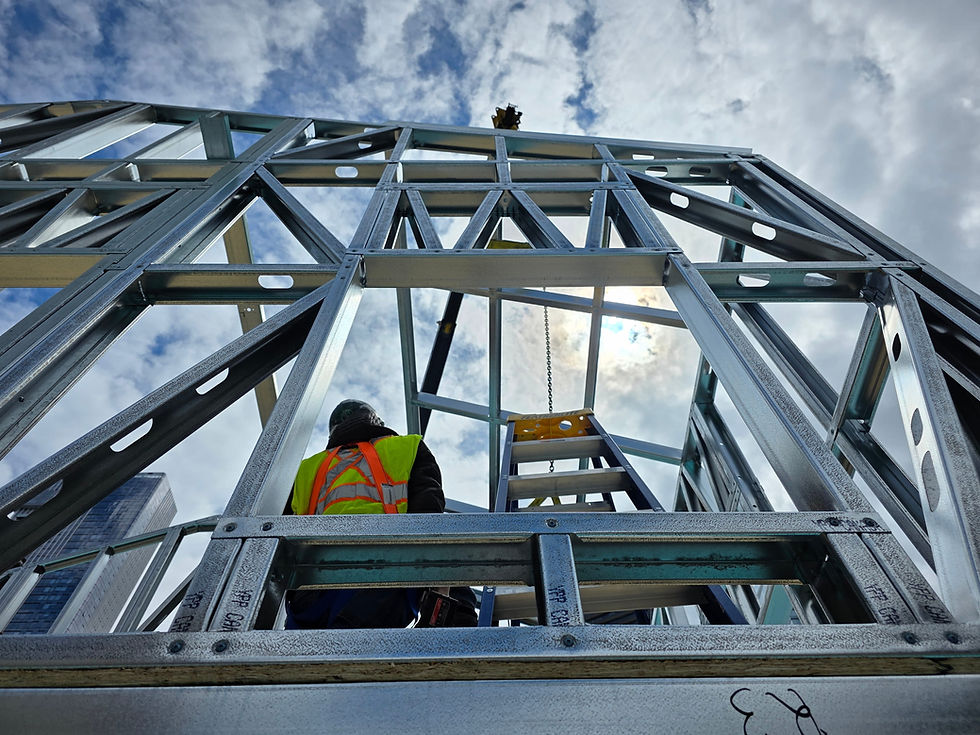
Increase R-Value in Light Steel Framed Walls
Boosting the R-Value in light steel framed walls is a smart move to enhance energy efficiency and reduce thermal losses. Steel is an excellent conductor, which makes managing thermal bridging—the transfer of heat through steel framing—crucial for optimizing insulation. To tackle this challenge, you can employ a mix of innovative techniques and high-performance materials that not only improve thermal resistance but also extend the longevity and comfort of your space.

Exterior Continuous Insulation – The Backbone of Thermal Efficiency
One effective method to counteract thermal bridging is adding a continuous exterior layer of rigid foam insulation, often referred to as continuous sheathing. By installing materials like polyisocyanurate with high R-values (around R9 per inch), you can significantly enhance the overall thermal performance of your walls. This layer acts as a blanket over the steel framing, minimizing heat transfer through the studs. Think of it as giving your walls a protective winter coat—it not only traps heat inside during colder months but also keeps cool air contained in warmer seasons.
Thermal Breaks – Cutting Off Heat Transfer
Implementing thermal breaks is another proven strategy. A thin material placed between the steel framing and the cladding can disrupt the direct flow of heat. Options range from affordable solutions like polystyrene rigid foam to innovative materials like aerogel, which offers exceptional thermal resistance despite its slim profile. By reducing contact points where heat transfer typically occurs, thermal breaks act as barriers, boosting your walls' insulating power.
Maximizing Wall Cavity Insulation – Filling the Gaps
The wall cavity is where you can pack in serious insulation power, but not all materials are created equal. Spray foam insulation, while pricier, provides an airtight seal and high thermal resistance, making it a top-tier choice for those seeking unparalleled efficiency. If you're looking for something more budget-friendly, rigid foam boards or fiberglass batts are great alternatives—they can be tightly fitted into cavities for uniform coverage. With advances in insulation technology, you can find products tailored to your specific needs and climate conditions.
Advanced Framing Techniques – Going Deeper for Better Results
If you're looking to level up your steel framed walls, advanced framing techniques might be worth considering. These methods often include increasing wall cavity depth, which enables you to install thicker layers of insulation. Additionally, spreading out the spacing between steel studs (optimized framing) reduces the number of thermal bridges while making room for more insulation material. Together, these modifications elevate your wall’s R-value without compromising structural integrity.
Sealing Matters – The Finishing Touch
Even with excellent insulation, air leaks can sabotage your efforts. Gaps around framing and cracks in the assembly allow heat to escape and cold air to seep in, undermining your energy-saving measures. Using spray foam to seal cracks ensures airtightness, keeping your walls draft-free and maximizing their insulating performance. And don’t underestimate the importance of air sealing—it’s often the secret weapon behind a truly energy-efficient home.
By combining these strategies—continuous exterior insulation, thermal breaks, optimized wall cavity insulation, advanced framing techniques, and airtight sealing—you can drastically improve the R-value of light steel framed walls. Not only does this reduce energy costs, but it also creates a more comfortable living or working environment year-round.