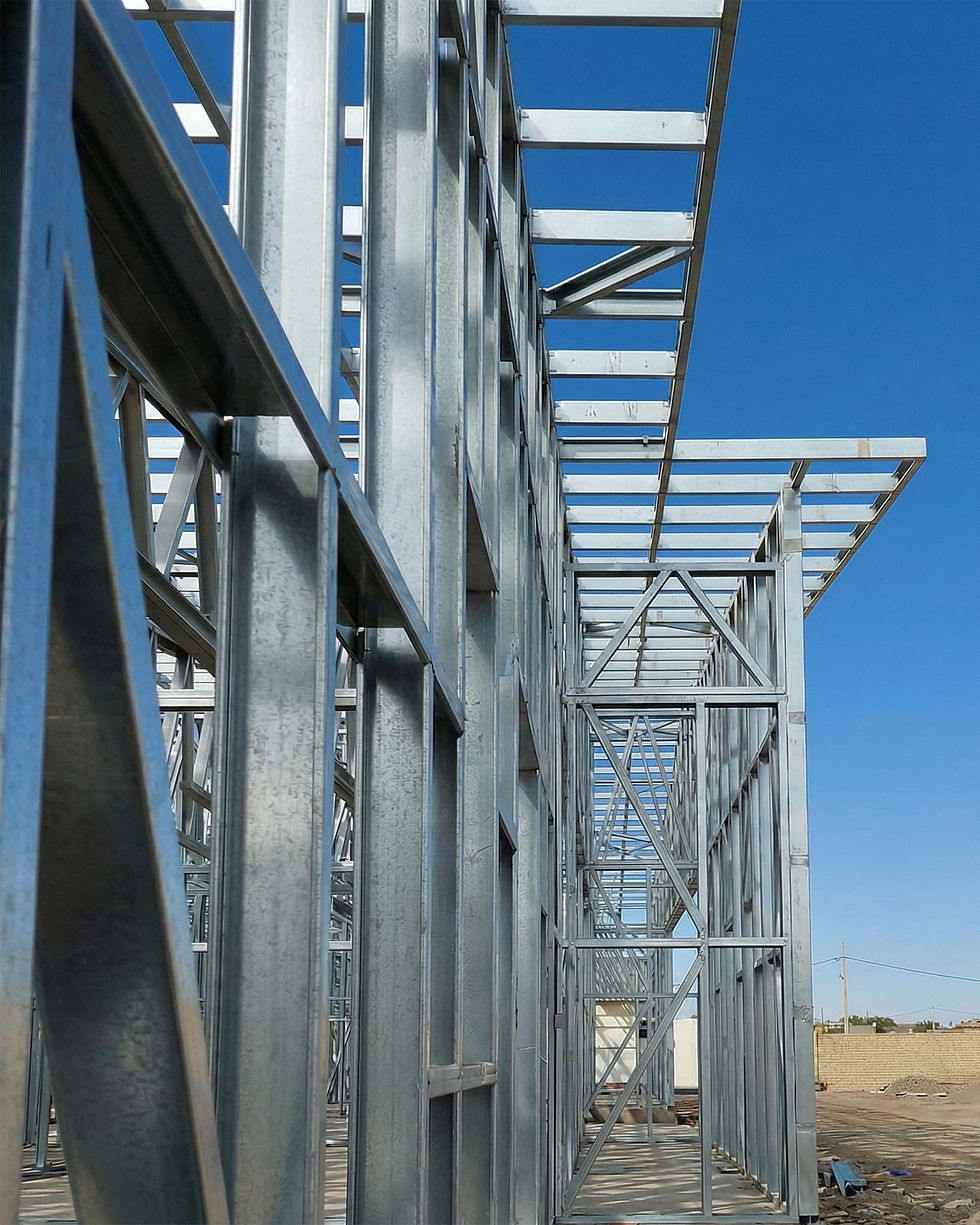
Integrated Cold-Formed Steel Systems Are Different from Traditional Steel Stud Framing
For many people in the construction industry, “steel framing” sounds like a single category. But technically, there is a major difference between conventional steel stud framing and integrated cold-formed steel manufacturing systems such as FRAMECAD.
While both use cold-formed steel as the base material, they represent two very different construction philosophies.
Traditional steel stud framing is primarily a site-built assembly method. Integrated systems like FRAMECAD combine engineering software, automated manufacturing, CNC roll forming, and digital construction workflows into a complete industrialized building platform.
That distinction matters more and more in the Canadian construction market, where labor shortages, housing demand, modular construction, and offsite manufacturing are becoming central industry issues.
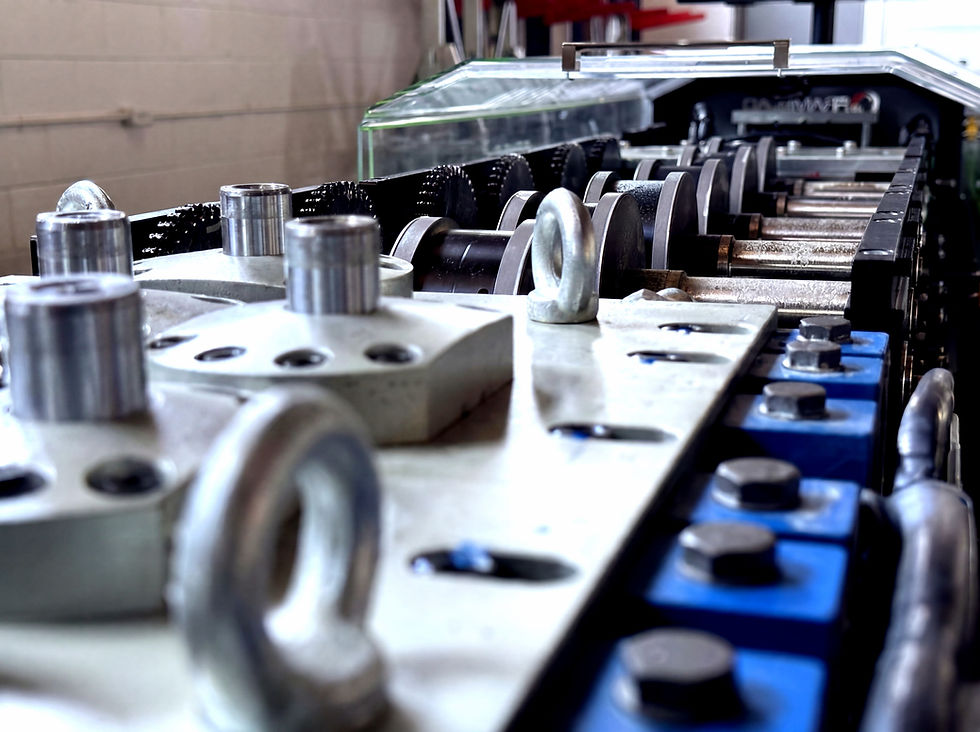
Understanding Traditional Steel Stud Framing
Conventional steel stud framing uses standardized cold-formed steel sections such as:
C studs
U tracks
Hat channels
These members are manufactured in standard sizes and gauges according to regional building standards and engineering requirements.
In a traditional workflow:
1. Architects create drawings
2. Structural engineers specify member sizes
3. Contractors order standard studs
4. Site crews cut, modify, and assemble the framing manually
This approach has been widely used across Canada in:
commercial interiors
mid-rise residential construction
institutional buildings
light commercial projects
The method is proven and flexible, but it depends heavily on field labor and installer experience.
What Makes Integrated Systems Like FRAMECAD Different?
Systems such as FRAMECAD are not simply “better steel studs.” They are integrated digital manufacturing systems built around cold-formed steel.
The core difference is software integration. Instead of treating framing as a manual site process, the entire building frame is digitally engineered and directly connected to automated production equipment.
The workflow typically looks like this:
BIM model → structural engineering software → machine code → automated roll-forming production
That means the manufacturing equipment can automatically:
cut members to exact lengths
punch service holes
create connection details
emboss identifiers
label every framing component
organize production sequencing
The result is a framing package that arrives almost like a manufactured product rather than raw construction material.
Precision Manufacturing Versus Site Fabrication
One of the largest technical differences is manufacturing precision.
Traditional steel stud framing
Onsite crews often:
measure manually
cut members on site
adjust framing during installation
resolve dimensional conflicts in the field
Variability is common because site conditions constantly change.
Integrated cold-formed steel systems
Automated roll-forming machines operate with CNC-level precision, often within millimeter tolerances.
Because every member is digitally produced from the building model:
dimensions are consistent
openings align correctly
service penetrations are pre-planned
assembly becomes faster and more predictable
This is one reason integrated systems are increasingly attractive for modular and prefabricated construction in Canada.
Structural Engineering Differences
Traditional steel stud framing is generally engineered using standardized member tables and conservative assumptions. Integrated systems can go much further.
Because the framing profiles are digitally engineered, the software can optimize:
flange geometry
lip dimensions
stiffeners
hole placement
screw patterns
bracing configurations
This allows engineers to improve:
axial load capacity
buckling resistance
shear performance
seismic behavior
material efficiency
In seismic and high-wind regions of Canada, that level of system engineering can become especially important.
Labor and Construction Speed
Labor availability has become one of the biggest constraints in Canadian construction.
Traditional steel stud framing remains labor intensive because much of the work happens on site, such as:
layout
measuring
cutting
correcting
coordinating
Integrated framing systems shift much of that work into factory production.
Onsite installation becomes more like assembly:
panels arrive prefabricated
members are labelled
crews follow digital sequencing
crane installation becomes faster
This can significantly reduce:
labor requirements
material waste
project delays
onsite errors
For large residential developments, hotels, student housing, and remote Canadian projects, these advantages can be substantial.
Quality Control and Predictability
Traditional framing quality often depends on:
installer skill
site supervision
weather conditions
trade coordination
Integrated systems embed quality into manufacturing itself. Because the framing is digitally controlled:
tolerances are consistent
components are traceable
production is repeatable
assembly sequencing is standardized
Some systems even use barcode or QR-based tracking to improve logistics and installation accuracy.
Cost Considerations
Traditional steel stud framing still has advantages as it requires:
lower upfront investment
simpler tooling
less factory infrastructure
For smaller or less repetitive projects, conventional framing may remain the most economical option.
Integrated systems require significant investment in:
roll-forming equipment
software platforms
engineering integration
operator training
manufacturing facilities
However, for high-volume production and industrialized construction, the long-term efficiencies can outweigh the higher initial costs.
Why This Matters in Canada
Canada’s construction industry is increasingly facing pressures from:
housing shortages
labor scarcity
rising project costs
productivity challenges
northern and remote construction logistics
Integrated cold-formed steel systems align closely with broader industry trends toward:
prefabrication
modular construction
offsite manufacturing
digital project delivery
That does not mean traditional steel stud framing will disappear. Conventional methods remain practical and effective for many project types. But the industry is clearly moving toward more automated, software-driven building systems — especially where speed, repeatability, and scalability matter most.
Final Thoughts
Technically, both conventional steel stud framing and integrated systems like FRAMECAD use cold-formed steel. The real difference is not the material itself. It is the level of digital integration between design and engineering, with manufacturing, logistics and installation.
Traditional steel stud framing is essentially a construction method. Integrated systems are manufacturing ecosystems for buildings. That distinction is reshaping how modern construction projects are designed and delivered — including here in Canada.